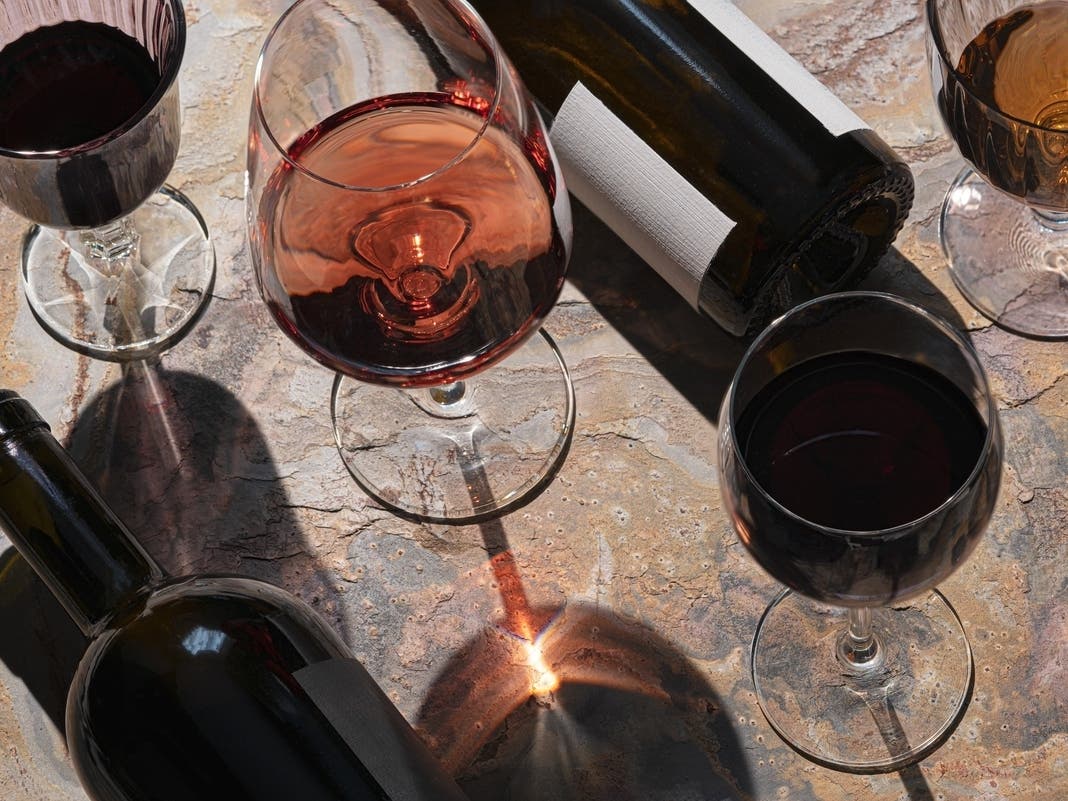
Lottie’s Creamery and Local Vines team up to launch a limited-edition ice cream at Walnut Creek Uncorked Thursday. (Shutterstock)
WALNUT CREEK, CA — The flavors of a summer wine tasting have found their way into a combination of Chardonnay, strawberries, and brown butter that could be a train wreck on the tongue — or mad brilliance in the form of ice cream.
Lottie’s Creamery and Local Vines took the chance by creating Stag Hill Chardonnay Brown Butter Strawberry Swirl, a limited-edition flavor debuting Thursday at Walnut Creek Uncorked.
Made from scratch in Lottie’s Walnut Creek kitchen in Walnut Creek, the flavor combines rich brown butter ice cream, a fresh strawberry swirl, and Chardonnay sourced from Stag Hill, a collective of Lamorinda winemakers, represented by Local Vines, according to the organizers.
The healthy-living food spinoff is now live in Oakland and Berkeley; Rancho Cantina draws closer in Danville; BBQ will be smoking soon in Lafayette; and more Dish.
By Ethan Fletcher
Updated
Goop KitchenFacebook
Goop Kitchen Comes to the East Bay
Gwyneth Paltrow’s clean-living ethos is now available for delivery in the East Bay. Goop Kitchen, the take-out meal component of the Oscar-winning actress’s wellness and lifestyle brand, is now operating out of Oakland shared-kitchen operation Adeline Food Hall (although the company is advertising it as “Berkeley”). Available for pickup and delivery in Berkeley, Oakland, and Emeryville, all items on the Goop menu are made without gluten, seed oils, processed additives, refined sugars, or corn. Additional Bay Area locations have opened in San Jose, Sunnyvale, and San Francisco, where a sit-down restaurant is also in the works.
Rancho Cantina Inches Closer in Downtown Danville
Rancho Cantina’s new Danville location could be open by the end of the month. At least that’s the goal for owner Nico Tzikas, who told Dish he’d love to open by the Fourth of July, a big day in the city’s downtown. The Danville resident, who owns Rancho Cantina in Lafayette with his wife, Alice, is taking over another Mexican concept, Cocina Hermanas, which shuttered earlier this year. He says he’s just waiting for final approval from the fire inspector, a process complicated by the fact that, as in Lafayette, the Danville kitchen will be centered on a wood-fired grill. About twice the size of the Lafayette location, Rancho Danville will feature a similar menu of ranch-to-table dishes “inspired by the original table fare of the Golden State’s Spanish and Mexican Californios” and an expanded bar highlighting tequila and mezcal cocktails.
Divan Opening Soon on Berkeley’s Fourth Street
Also expected to open by the end of the month is Divan. Serkan Sozen told Dish that he and his partners’ new modern Turkish concept is on pace to debut in mid-to late June on Berkeley’s Fourth Street. Sozen co-owns the high-end Turkish restaurant Taksim in San Francisco’s SoMa district, along with hit Mediterranean brunch spot Lokma in the Richmond District. The team has completely transformed the space adjacent to Tacubaya with an upscale contemporary rebuild featuring an open kitchen, a full bar, and a covered outdoor patio. Check out renderings here.
Beloved Chef Sarah Kirnon Popping Back Up in Oakland
A familiar friend is back in town. Sarah Kirnon, who departed for her family’s native Barbados last year after a decade spent running her famed Afro-Caribbean destination Miss Ollie’s in Oakland, is hosting a pop-up dinner on Saturday, June 20. Holder’s House, the pop-up concept that Kirnon operated before moving out of the country, will serve a $125 five-course prix fixe dinner at Gold Palm. The Uptown venue shuttered as a full-time restaurant earlier this year, but owners Shirin Raza and Daniel Gahr have kept the beautiful historic venue open for private events. That prix fixe price includes a welcome cocktail, a glass of wine with dinner, and a digestif with dessert—and Kirnon’s famed fried chicken is promised to be among the five courses.
Stag Hill ice creamCourtesy Lottie’s, Local Vines
More Openings on the Way in Lafayette and Antioch
A reading of the Instagram tea leaves suggests that Mt. Diablo BBQ will be opening soon in Lafayette. The barbecue restaurant replacing the shuttered Horn Barbecue on Mt. Diablo Boulevard has fired up its social media presence, with the latest post featuring a sign that reads “It’s BBQ Time!” From the Ingram family, the veteran restaurant clan behind a string of barbecue restaurants in the South Bay and Central Coast, Mt. Diablo promises to be open daily from 9 a.m. to 9 p.m., serving low-and-slow-smoked brisket, ribs, tri-tip, chicken, and more.
And over in Antioch, the gone-but-not-forgotten Mac’s Old House appears to be on pace for a midsummer relaunch. The old-school roadhouse, known for its affordable Italian family-style meals headlined by a sub-$20 prime rib dinner served with soup, salad, bread, pasta, and veggies, closed late last June. The new owners, however, are renovating Mac’s 100-plus-year-old home and revealed in a comment on the restaurant’s Instagram that they plan to reopen in “early July.”
Rumors are swirling that beloved Walnut Creek sandwich shop Morucci’s is opening a new location in Pleasant Hill. Dish is on the case.
Sample a Stag Hill Chardonnay Brown Butter Strawberry Swirl ice cream at Lottie’s Creamery, the second sweet collaboration between the award-winning creamery and Local Vines that highlights Lamorinda wine producers.
A trio of hot new dining destinations comes to downtown; opening details on Mixt Walnut Creek; Lamorinda wine celebration Sunday; and more Dish.
By Ethan Fletcher
Updated
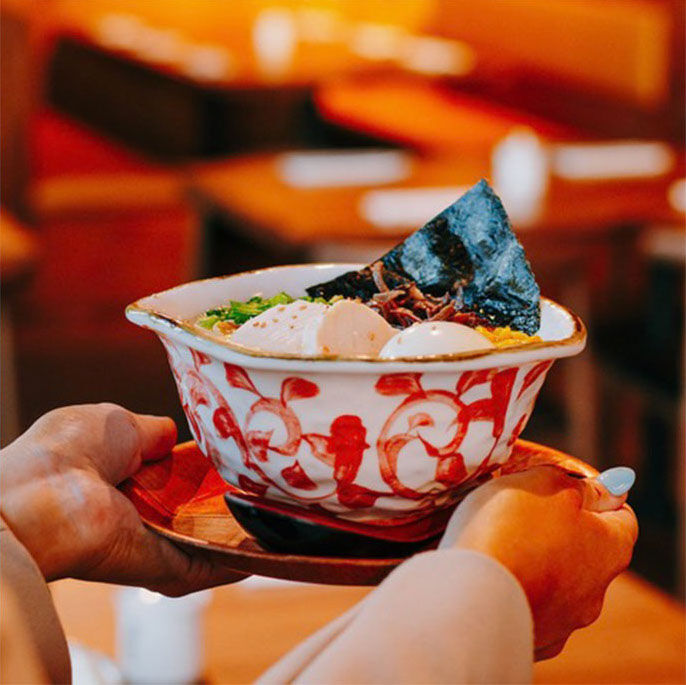
Marufuku
Facebook
When it rains, it pours. After many months of hype and multiple readings of opening day tea leaves, three hotly anticipated restaurants are launching within days of each other in downtown Walnut Creek. It’s a serendipitous culinary bonanza in Contra Costa’s dining core, one that may leave local diners dizzy deciding what to hit first. So, without further ado, here’s the breakdown on the debut trio.
This San Francisco-founded cult ramen chain has been stretching its fried octopus tentacles east, starting with Oakland’s Temescal district and followed by a new shop in Dublin’s Ulfert’s Center opened earlier this year. Now comes Walnut Creek, which officially launches for lunch and dinner this Wednesday, May 27. The food menu will be familiar to that at other locations, the headliner being Marufuku’s Hakata-style pork tonkotsu and chicken paitan ramens featuring richly flavored, long-simmered broths.
The ramen is complemented by yakitori skewers and a variety of starters such as takoyaki, chicken karaage, and gyoza. Unlike several other locations, Walnut Creek has a full bar with signature cocktails emphasizing Asian flavors alongside imported beer, premium sake—look out for the popular rainbow sodas served in illuminated transparent pouches introduced at the Oakland location last year. The former Extreme Pizza venue on Cypress Street underwent a comprehensive contemporary Japanese transformation that includes a bamboo-lined back patio and dramatic front signage lettered on a large slab of cross-sectioned tree trunk over the entrance.
Doppio Zero
Courtesy of Doppio Zero
Doppio Zero:
The San Francisco-born upscale-casual southern Italian restaurant chain started its expansion plans in the South Bay but has set its sights on the East Bay in recent years. That started with a successful location in Concord’s Veranda shopping center and continues with its move to take over the high-profile North Main Street vacancy previously occupied by Nora Haron’s SanDai and for four-plus decades before that by Peter Chastain’s beloved Prima Ristorante.
Making its debut Wednesday evening with free pizza, pasta, wine, and live music, from 6-8:30 p.m., Doppio certainly shares more of Prima’s culinary DNA with a focus on fresh pastas and authentic wood oven–fired Neapolitan pizzas, plus classic Italian starters, salads, mains, desserts, and a full bar. You can check out the opening menu and a behind-the-scenes tour of the newly renovated space from co-owner Gianni Chilorio.
It’s a proven formula from a restaurant group accustomed to operating in large-scale suburban settings, which should help the new owners successfully fill what is a big, high-profile vacancy downtown. And Doppio Zero isn’t done yet in the East Bay: the restaurant group confirmed plans to open another big outpost in downtown Livermore. Opening ETA still TBD.
Last but not least, another hot ramen shop opened softly this Sunday next door to Doppio Zero—and business was brisk with lines stretching down North Main Street. Started by Japanese ramen master Tomoharu Shono, Mensho also first made waves locally in San Francisco before expanding to Oakland’s Piedmont Avenue a few years ago.
Shono is known for incorporating more unorthodox ingredients—duck, seafood, matcha tea, spicy garlic—not typically seen in ramen, in addition to offering several vegan options. That holds true in Walnut Creek, which received a cozy modern-Japanese transformation from its previous incarnation as The Essence Indian restaurant. One especially notable inclusion on the opening day menu in Walnut Creek: lobster miso ramen with grilled lobster tail and claw, smoked nuts, whipped butter, and fresh mochi noodles. Other ramen highlights include wagyu truffle shoyu, spiced lamb G.K.O. (garlic knockout), and a vegan walnut tantanmen. Sushi, “don” rice bowls, a handful of starters, and beer and sake are also served.
New Details on Mixt Walnut Creek
Speaking of downtown, it marked something of a sea change when old-school Genova shuttered its last Walnut Creek deli earlier this year, followed shortly by the news that it would be replaced by new-school healthy salad-and-bowl concept Mixt. The co-founder and CEO of the San Francisco–based chain, Leslie Silverglide, revealed a few details to Dish about plans for their newest East Bay restaurant. Firstly, Silverglide said they had been looking to open in Walnut Creek for 15 years before finally signing a lease for the corner location in the shopping center at the intersection of S. California and Mt. Diablo Boulevards.
Scheduled to open mid-July, Mixt Walnut Creek will offer “abundant” in-house and patio dining, along with pickup and delivery via its app. The debut summer menu, says Silverglide, will emphasize “fresh, sustainable ingredients” prepared “in-house from scratch” and include customer favorites such as the Peachy, Elote, and new Valkyries 2.0 salads and bowls.
Western Flyer
Courtesy of Western Flyer
Western Flyer Expanding Food Menu, Fire and Craft Nears Lafayette Opening
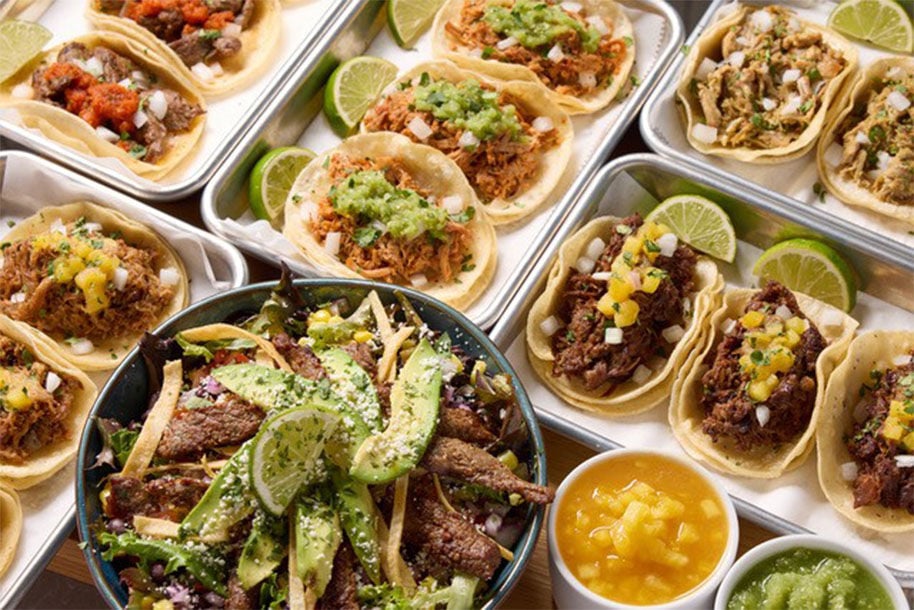
After successfully launching his new custom brewery and tap room earlier this year in Lafayette, Logan Jager says he is slowly ramping up operating hours and food offerings headed into the summer. Starting June 2, Western Flyer will be open on Tuesdays with the eventual goal to be open seven days a week. He will add lunch starting this Thursday serving steak, chicken tinga, carnitas, birria, and chile verde available in both taco and salad form, with seafood options coming soon.
In a similar beer-centric Lafayette vein, we heard from Aaron Steward on his long-planned craft beer and pizza concept located next to the Whole Foods off Mt. Diablo Boulevard. After navigating a “long highway of delays and pauses,” Steward says that Craft and Fire should be opening as soon as July with artisan pizza and a rotating selection of 28 craft beers with an emphasis on award-winning breweries.
Celebrate Lamorinda Wines this Sunday at Local Vines
This Sunday, Lamorinda’s homegrown winemaking community will celebrate the 10th anniversary of the region’s official designation as a distinct AVA winegrowing appellation. Happening at Lafayette’s new Local Vines tasting room dedicated to highlighting area wineries, the Lamorinda Wine Growers Association “AVAnniversary” will take place from noon to six and feature ten local wineries and one cider producer. Tickets are $25 and include five tastings and a commemorative wine glass, with nosh available via the Cousins Maine Lobster food truck.
Yoko Kumano and Kayoko Akabori, founders of Oakland’s excellent sake-centric Japanese shop Umami Mart, just released Everyday Sake, a brand new guidebook for choosing, pairing, and serving sake.
Milky Flakes, the mysterious new downtown Walnut Creek concept coming to the corner of North Main and Cypress streets, is live on Instagram, posting a cryptic coming soon message with a blurred-out image that looks like ice cream.
New frozen yogurt shop, Cuppa Yo, is now open in Danville.
LAFAYETTE, CALIFORNIA — When most Bay Area residents hear “wine country,” they probably picture Napa, Sonoma, or maybe Livermore.
They probably do not picture the hills behind Lafayette, Moraga, and Orinda. They certainly don’t picture their neighbor’s backyard.
But Lamorinda is, in fact, an officially recognized American Viticultural Area — an AVA — and a local event this week is celebrating 10 years of that quietly remarkable distinction.
The Lamorinda Wine Growers Association is hosting 10 Years of Celebrating the Lamorinda Appellation on Sunday, May 31, from noon to 6 p.m. at Local Vines, 3393 Mt. Diablo Blvd. in Lafayette.
The event invites guests to meet the people growing grapes and making wine in Lamorinda, taste local wines, and celebrate the decade since the area earned federal recognition as a distinct wine region. Food will be available for purchase from Maine Lobster.
Yes, Lamorinda is Really Wine Country
Okay, granted, it’s not as well known as Napa, Sonoma, or even low-key wine country spots like the Anderson Valley. But Lamorinda is officially wine country!
In 2016, the federal Alcohol and Tobacco Tax and Trade Bureau formally established the roughly 29,369-acre Lamorinda viticultural area in Contra Costa County. The rule made Lamorinda part of the larger San Francisco Bay AVA and Central Coast AVA, but also recognized it as its own distinct grape-growing region.
An example of a backyard vineyard. Credit: Thomas Smith
TTB defines a viticultural area as a grape-growing region with a name, a boundary, and distinguishing features. That matters because AVA status allows winemakers to identify where their wines come from in a way that is meaningful to consumers.
A recent San Francisco Chronicle profile of Local Vines noted that the Lamorinda region includes roughly 100 vineyards totaling about 120 acres, with many of them operating as literal backyard projects. The same story described Local Vines as a Lafayette tasting room featuring local wineries and a cider producer, with many wines made on site in a co-op-style model.
Local Vines under construction. Credit: Thomas Smith
Of course, since Local Vines is in our backyard, we’ve been covering it since way before it even opened.
Local Vines’ own vineyard list includes producers such as Thal Vineyards, Meadow View Winery, Los Arabis Vineyards, Raisin D’Etre Vineyards, Deer Hill Vineyards, Crane Terrace Winery, Reliez Valley Vineyards, Stag Hill Vineyards, Rancho del Hambre Winery, Mount Diablo Cider, Castillo Vineyards, and Prima Materia Vineyard and Winery.
Grapes grow in Lafayette. Credit: Thomas Smith
What to Know Before You Go
Again, the event celebrating our little AVA is Sunday, May 31, from noon to 6 p.m. at Local Vines in downtown Lafayette.
Event listings through Eventbrite show it as the 10th Anniversary of the Lamorinda AVA, presented by Local Vines, with tickets starting at $39.19 at the time of this writing. Here’s the link.
Check it out, and drink a toast to the Lamorinda AVA!
LAMORINDA, CA — Most East Bay commuters pass Lamorinda’s vineyards without ever seeing them — tiny rows of grapes hidden behind fences, tucked into hillsides and planted beside suburban homes.
This weekend, the winemakers behind one of California’s smallest and least conventional wine regions are stepping out from those backyards to celebrate a decade of the Lamorinda AVA with tastings, storytelling and wines grown only minutes away from BART stations and cul-de-sacs.
Ten years after California’s smallest and least conventional wine regions was recognized as an American Viticultural Area, winemakers from Lafayette, Moraga and Orinda are stepping out to celebrate with tastings, storytelling and wines grown only minutes away from BART stations and cul-de-sacs.
Lamorinda belongs to another, wider, Centra Coast AVA.
The 250 mile-long Central Coast AVA reaches from Santa Barbara County in the south to the San Francisco Bay Area in the north and includes parts of Contra Costa. Yet, for all of its length, the AVA is only an average of 25 miles wide.
The Lamorinda AVA Celebration is Sunday, from noon to 6 p.m. at Local Vines in downtown Lafayette.
Organizers from Local Vines said the event will be pouring wines from the region alongside food available for purchase from Maine Lobster.
The Lamorinda AVA became an officially recognized wine region in 2016. But the area’s wine history stretches back much further.
Wine grapes were planted in the region as early as the 1880s before suburban development replaced much of the original agricultural landscape, the San Francisco Chronicle reported.
The region now contains roughly 100 vineyards spread across only about 120 acres, making it one of California’s most compact AVAs. Growers cultivate a surprising range of grapes including Cabernet Sauvignon, Sangiovese, Syrah and Merlot despite the limited acreage.
“Ten years calls for a toast,” organizers from Local Vines said in announcing the event. “Come celebrate a decade of exceptional winemaking from the hills right in your neighborhood.”
Local Vines. 3393 Mount Diablo Blvd., Lafayette. 925-298-5109 or local-vines.com
May 24th, we’re doing something we don’t do often: complimentary 1 oz pours of participating varietals and vintages, no strings attached. Just you, a pour worth trying, and a chance to find your next favorite bottle.
Love what’s in your glass? Take it home. Every featured wine is 25% off on the day. Going all in? A full unmixed case earns you an extra 10%.
These selections won’t be back at these prices. Come curious, leave stocked.
Current participating wineries include Thal Vineyards, Crane Terrace, Los Arabis, Raisin d’Etre, Rancho del Hambre, Castillo, and Prima Materia.
Enjoy special deals, tastings, and experiences from 35 local businesses, including a unique ice cream and wine pairing.
DANVILLE, CA — Ring in the most beautiful month with one of Danville’s most beautiful traditions. On Thursday, May 7, the Danville Area Chamber of Commerce’s Sip & Stroll will feature delicious deals, tastings, and experiences from 35 local businesses in downtown Danville and the Danville Livery Shopping Center.
Debuting this year is a collaboration between Lottie’s Creamery, Local Vines, and Thal Vineyards. Lottie’s Creamery, a husband-and-wife micro-creamery known for its small-batch, from-scratch ice cream, is partnering with Local Vines, an urban tasting room in Lafayette, to create a custom chocolate ice cream infused with Ruby Red Forte wine from Thal Vineyards.
Thal Vineyards, which is part of Local Vines’ portfolio, is also a husband-and-wife operation that began as a project to address hillside erosion in Lafayette, and has grown into an award-winning, sustainability-focused vineyard.
At Sip & Stroll, the chocolate ice cream will be paired with Merlot from Local Vines’ portfolio.
Early bird tickets, which are on sale for $55 until April 30, include:
A commemorative wine glass
Trolley service between downtown and the Danville Livery
Curate in-store sips and tastings
Tote bag
Live music
Tickets cost $65 after April 30. Designated drivers pay $20. Guests can check in at either Prospect Park Plaza downtown or at the Barnyard Wine Bar at 400 Sycamore Valley Road West. Free parking is available at Danville’s six municipal lots and at the Danville Livery. Sip & Stroll will take place between 5:30 and 8:30 p.m.
“The event is designed to bring energy and activity into the community while encouraging people to discover and support small businesses they might not otherwise visit,” the Danville Area Chamber of Commerce said. “This signature event from the Danville Area Chamber of Commerce brings the community together for an evening of connection, conversation, and great wine.”
Local Vines owners Larry and Esther Thal (Vera Kochan)
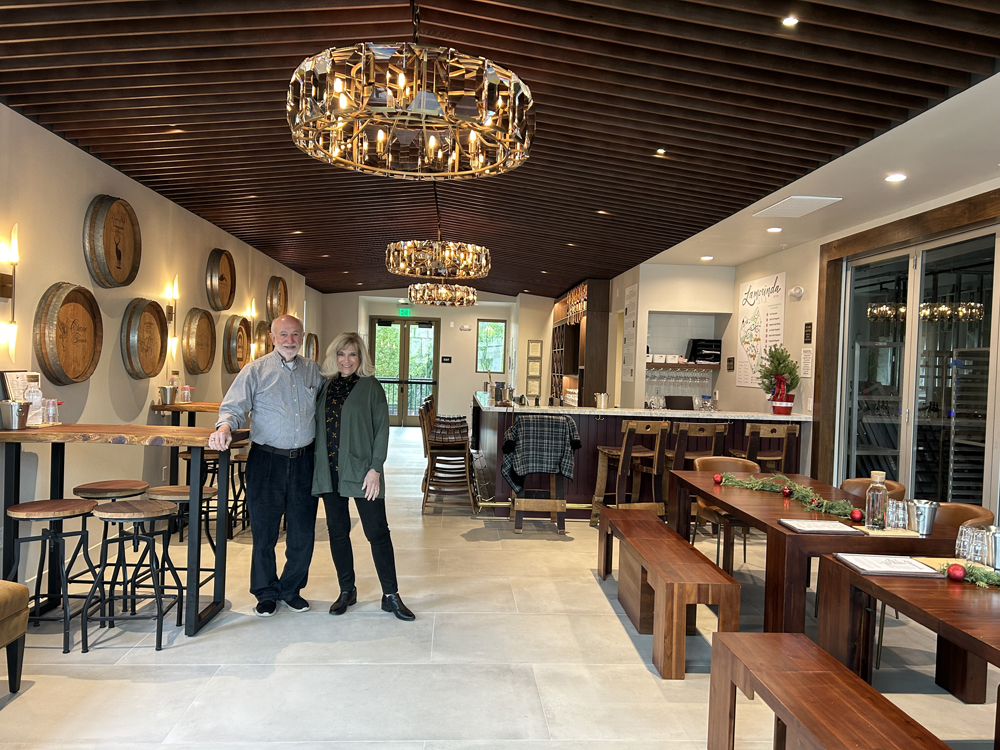
It’s been several years in the making, but Local Vines, Lamorinda’s new wine tasting venue, has finally opened its doors in Lafayette. Located in the former Napa Auto Parts location at 3393 Mt. Diablo Blvd., the inviting and classy ambiance is a far cry from the building’s previous incarnation.
More than seven years ago, the Lamorinda Winegrowers Association (LWGA) wanted to open a place where the area’s burgeoning industry could show off its wares at a local level. Having earned the moniker of American Viticulture Area, this seemed like the next step. Current membership includes approximately 100 wine growers and associates (those who are interested in all things wine-related). LWGA co-founder Joao Magalhaes made certain that the dream of opening a tasting venue was written into the group’s mission statement.
Taking it one step further, in a December 2016 proclamation to the LWGA, signed by Contra Costa County Supervisors Candace Andersen and John Gioia, the challenge was made for the group to come up with a tasting venue to show off the area’s award-winning wines.
According to Local Vines owner, Lafayette’s Larry Thal of Thal Vineyards, he and his wife Esther began developing the location just before COVID struck. “Getting permits during that time was a slow process. We didn’t have to build a new building – it was originally built in 1948. We took what was here and remodeled it.” While the tasting room is on the first floor, the winery is in the basement and has the capacity to produce 2,500 cases. Right next door is the future location of Germinate Kitchen – a catering company co-owned by Amy Schofield and Marisa Swartz, who will eventually provide small bites to Local Vines customers.
“We also hope to have cooking classes, wine pairings, corporate events, and more,” added Thal.
The Thals wanted to create an atmosphere where folks could taste outstanding wine, so any wines served had to pass muster by submitting their product to Local Vines’ independent wine board for review. “We don’t want to discourage any wineries from selling with us,” stated Thal. “However, any wine on the premises must be licensed by the state and federal government.”
At the moment, Local Vines has an impressive roster of labels to taste with nine wineries and one cider. Featured are: Crane Terrace Winery, Deer Hill Vineyards, Los Arabis Vineyards, Meadow View Winery, Raisin d’Etre Vineyards, Rancho Del Hambre Vineyard, Reliez Valley Vineyards, Stag Hill Vineyards, Thal Vineyards, and Mount Diablo Cider Company.
The Local Vines Wine Board includes: Vlatka Stampar Bathgate, a Certified Sommelier whose family owned a vineyard in Croatia and who earned a Bachelor of Science degree in Enology (Wine Science); Jenny Fry a graduate of California Culinary Academy in San Francisco who decided to direct her interests to the field of wine sales with restaurants; Susan Winchester a Certified Specialist of Wine who combines her interests with food and wine after gaining experience working for Napa wineries; Pietro Buttitta, a Certified Sommelier and Local Vines winemaker with 25 years experience in the food and wine industry; and Bill English, an award-winning winemaker with 25 years in the industry.
A Local Vines press release stated, “The vision for Local Vines and Germinate Kitchen is to create a community space where people can learn about and enjoy wine, and to highlight Lamorinda AVA wines as a day trip destination for micro batch, urban wines and ciders. A highlight of the space is the separation of the tasting room and commercial kitchen by a glass divider, thus breaking down the fourth wall and demystifying artisan food production.”
Esther Mobley, Senior Wine Critic Fri, December 12, 2025 at 4:00 AM PST
Kelci Wihera, right, speaks with a customer in the Local Vines tasting room in Lafayette. (Don Feria/For the S.F. Chronicle)
Winemaker Pietro Buttitta has a pitch for the new tasting room he opened this week in the East Bay: “It’s Napa but closer, if you live here.”
The Lafayette tasting room, Local Vines, features nine wineries and one cidery from the growing region known as Lamorinda – a portmanteau of Lafayette, Moraga and Orinda. Many residents may not realize that the area surrounding these three municipalities is home to roughly 100 vineyards, with grape varieties ranging from Cabernet Sauvignon to Sangiovese.
As California wine regions go, Lamorinda is nascent. Although wine grapes were grown here as early as the 1880s, it wasn’t until 2005 that it got its first commercial winery. In 2016, it became an American Viticultural Area (AVA), a geographic designation for wine regions regulated by the federal government. All of Lamorinda’s wineries and vineyards are miniscule, many of them literal backyard projects: Those 100 vineyards comprise a total of about 120 acres.
Local Vines is located on Mount Diablo Boulevard in Lafayette. (Don Feria/For the S.F. Chronicle)
The opening of Local Vines, at 3393 Mount Diablo Blvd., Lafayette, marks a major step forward for the Lamorinda AVA, not only in consumer visibility but also in wine quality. In an unusual sort of co-op model, most of the wines poured in the tasting room are also made in the basement cellar. Buttitta, an experienced winemaker best known for his Italian-focused brand Prima Materia, acts as the consulting winemaker for all of those made onsite. These wineries each have their own labels, but Buttitta also siphons some of their juice into Local Vines’ house brand, Stag Hill Vineyards, a representation of the entire AVA.
Winemaker Pietro Buttitta, left, looks on as Debbie Harley, center, smells a wine at the Local Vines tasting room in Lafayette. (Don Feria/For the S.F. Chronicle)
“I’m here because I believe in the potential of Lamorinda,” said Buttitta, who has been focusing on Local Vines since shutting down Prima Materia’s Oakland tasting room in March. (He still makes Prima Materia wines, albeit in smaller quantities, sourced largely from his family’s vineyard in Lake County.)
Microclimates within Lamorinda’s five-by-seven-mile expanse vary “wildly,” Buttitta said. The western edges, abutting the Berkeley Hills near Orinda, are the coolest and foggiest stretches, with pockets of volcanic soils; Pinot Noir does well here. Cabernet Sauvignon and other Bordeaux varieties fare well on the eastern side, which borders Walnut Creek to the north and the Livermore wine region to the south. In the middle is Moraga, where fog moves in and out and structured reds like Merlot, Syrah and Sangiovese thrive. On the whole, Buttitta said, Lamorinda is stronger for red wines than whites.
Operating a commercial winery here isn’t easy. Farming costs are high – of the six local vineyard management companies, Buttitta said, none has a tractor – and all of the vines need to be covered in protective netting to prevent birds, skunks, wild turkeys, raccoons and foxes, which run rampant in these residential neighborhoods, from eating the grapes. The area lacks the wine-industry infrastructure found in areas like Napa and Sonoma, which is why the shared Local Vines winery – owned by Larry Thal, of Lafayette’s Thal Vineyards – has been such a game changer.
“There’s definitely a lot of local curiosity,” Buttitta said. During harvest season, when he was crushing the grapes outdoors behind the Local Vines building, he was regularly approached by curious neighbors who expressed interest in trying the local wines.
Local Vines features wines and ciders from 10 producers in the Lamorinda AVA. (Don Feria/For the S.F. Chronicle)
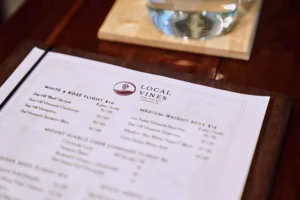
Visitors to Local Vines will be able to choose from a range of four-pour flights ($10-$13), including a white wine flight and a “big reds” flight. A cider option ($8) includes four pours from the resident cidery, Mount Diablo Cider Co. At the moment, there’s no food, though Buttitta said the team hopes to add a menu of small bites and to eventually host special dinners.
Thal has installed a board of three wine experts to ensure quality levels at the tasting room: Vlatka Stampar Bathgate, a certified sommelier who has worked at wineries in Napa and her native Croatia; Jenny Fry, manager and wine director of Pasta Moon in Half Moon Bay; and Susan Winchester, director of national accounts for Winebow Imports. The three of them taste through all potential Lamorinda wines and either approve or reject them for the tasting room.
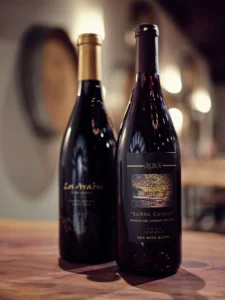
Rancho del Hambre’s SoRho Carolyn red blend. (Don Feria/For the S.F. Chronicle)
So how are the wines? Variable, based on my recent experience. Several Lamorinda reds tasted like dried figs and prunes – in other words, overripe – with alcohol levels exceeding 15%. If the producers were going for big reds, they overshot it. Others were more restrained and pleasant, showing fresh-fruit flavors and firm structure. My favorite was Rancho del Hambre’s 2022 SoRho Carolyn (“SoRho” being an abbreviation of “Southern Rhone”), a blend of Syrah, Grenache, Mourvedre, Cinsault and Carignan. It was juicy and textured, with crunchy strawberry and pomegranate notes and a subtle echo of Mourvedre-inflected funk. At 13.7% alcohol, it was in balance.
Bottles of Mount Diablo Cider Co. (Don Feria/For the S.F. Chronicle)
The Mount Diablo Cider Co. bottlings are also impressive, and a refreshing departure from heavy, structured reds. Its Delta Gold, a Champagne-method cider, has delightfully tiny bubbles and a burst of fresh apple character; a blend of quince and Granniwinkle apples is floral and audaciously tart, sending a jolt across the tongue.
There’s a long way to go before Lamorinda can compete with a place like Napa, acknowledged Buttitta, who has been in his consulting role here since the fall of 2024. (Many of the wines currently being poured at Local Vines are from vintages preceding his arrival.) He’d like to see the growers’ association invest in an even larger, industrial winemaking facility – the downstairs cellar at Local Vines will max out at a mere 2,000 cases – and bring in a marketing team.
“I believe every vineyard deserves a chance,” Buttitta said. And he hopes that Lafayette, Moraga and Orinda residents will rally behind their local wine industry as it evolves. “I think people want to support small businesses. And these are all really small businesses.”
Local Vines. Open 2-7 p.m. Wednesday-Sunday. 3393 Mount Diablo Blvd., Lafayette. 925-298-5109 or local-vines.com
LAFAYETTE, CALIFORNIA – I’ll confess that I lived in Lamorinda for years before I learn that we’re actually an official wine region.
The Lamorinda AVA was recognized as a California wine-growing region in 2016. There are over 40 vineyards operating in Lamorinda.
But most are tiny–producing perhaps a few hundred cases per year. They’re tucked into peoples’ backyards, or their suburban hillsides. Most offer tastings by appointment only. Sometimes, you’re tasting wines in someone’s kitchen.
Now, a new, hyperlocal wine tasting room seeks to change that. Local Vines (3393-3395 Mt Diablo Blvd, Lafayette) just had it soft opening this month, and is preparing for a grand opening.
Credit: Local Vines
It’s located on Mount Diablo Blvd right in downtown Lafayette, and it’s pouring wines made as close as a few blocks away.
Local Wines. Like, Really Local
Local Vines sits in a new building on Mount Diablo Boulevard, in the same stretch of downtown as Wine Thieves and the new Horn Barbecue location. Signage on the building calls it “Local Vines Tasting Room & Winery,” and licensing paperwork points to Deer Hill Vineyards as a key player behind the project. (We have a big list of the wines they’re pouring below).
Instead of being a single winery’s tasting room, Local Vines is set up as a cooperative urban wine bar for Lamorinda winemakers. The Lafayette Chamber describes it as “a boutique urban wine tasting room in the heart of the Lamorinda Appellation” and notes that it is run as a co-op of local winemakers, right in walkable distance from Highway 24 and Lafayette BART.
I stopped by about a year ago in December of 2024 when it was still under construction.
Construction in 2024. Credit: Thomas Smith/Bay Area Telegraph
Behind the bar is winemaker and consultant Pietro Buttitta, best known for Prima Materia, an Italian-variety focused label that recently closed its Temescal Alley tasting room in Oakland. Buttitta has taken on a new role as general manager and winemaking consultant at Local Vines, where he will help anchor the space and guide multiple small producers sharing the facility.
The author checking out the construction site in 2024. Credit: Bay Area Telegraph
Inside The Space: Co-op Tasting Room Meets Food Incubator
Local Vines is part of a broader Bay Area trend toward collective tasting rooms, where multiple small producers share a single, casual, community-oriented space instead of each trying to maintain their own formal tasting room.
In this case, wineries like Raison D’etre and Deer Hill will be sharing the tasting space, which is paired with an incubator kitchen for emerging chefs next door. That allows for events with wine and food paired together.
Credit: Local Vines
After years of “coming soon” announcements from the Lamorinda Winegrowers Association and partner wineries, Local Vines finally started welcoming guests in early December. A December 4 post on the Local Vines Lafayette Facebook page described it as “the first day of our soft opening” and invited people to “drop in to try Lamorinda grown and made wines,” with hours listed as Wednesday through Sunday, 2 to 7 pm.
Behind the tasting room during construction. Credit: Bay Area Telegraph
What are they pouring? Here’s a sample of what’s on offer at launch:
Wines by flight
White Wines Flight $10
Deer Hill Vineyards Chardonnay
Stag Hill Vermentino
Thal Vineyards Sauvignon Blanc
Crane Terrace Winery Chardonnay
Medium-Weight Reds Flight $12
Los Arabis Vineyards Pinot Noir
Deer Hill Vineyards Sangiovese
Meadow View Winery “Super-T” Blend
Crane Terrace Winery Syrah
Bigger Reds Flight $12
Stag Hill Vineyards Syrah/Grenache
Meadow View Winery “Haas” Cabernet
Prima Materia Aglianico
Raisin d’Etre Vineyards Petite Sirah
Gold Medal Flight $13
Stag Hill Vineyards Zinfandel
Rancho del Hambre “SoRho” Rhone Blend
Raisin d’Etre Vineyards Cabernet Sauvignon
Thal Vineyards “Lily’s Blend”
Mount Diablo Cider Company Flight $8 (ciders, not wine, but on the same menu)