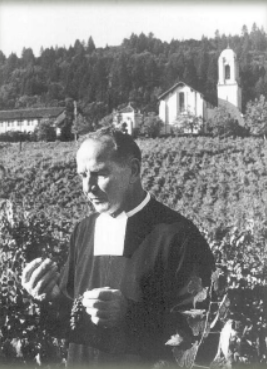
Below you will find a fascinating, well researched, detailed history of wine in Contra Costa County delivered by Leslie Ward of Los Arabis wines. The rise, fall, and rise again of the California wine industry. Everything you ever wondered about local wine is here!
The History of Grape Growing and Wine Making in Lamorinda
HISTORY-OF-WINE-IN-LAMORINDA (PDF)
“Wine can be considered with good reason as the most healthful and hygienic of all beverages.” Louis Pasteur
“My only regret in life is that I did not drink more wine.” Ernest Hemingway
“Age is just a number. It’s totally irrelevant unless, of course, you happen to be a bottle of wine.” Joan Collins
“I cook with wine, sometimes I even add it to the food.” W.C. Fields
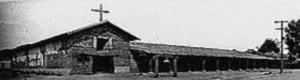
In 1779, Franciscan missionaries under the direction of the Spanish Father Junipero Serra planted California’s first sustained vineyard at Mission San Diego de Alcala. He went on to found eight other California missions and became known as the “Father of California Wine”.
The varietal he planted, Listan Prieto, was imported by Serra from southern Spain. Years later it was referred to as the “Mission” to distinguish it from other vines being imported.
1822 Mexico gains its independence from Spain and takes over the 21 Spanish missions
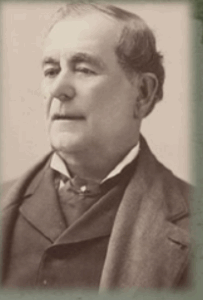
1846: Vallejo is the Mexican military commander 1807-1890 of northern California, but seemed to be favorable to an American California. As commander he had received various land grants and has hundreds of acres of vines. When Mexico withdraws, he is imprisoned, his land looted
In 1848, California became American territory after the Mexican American War, and became the 31st state in 1850.
1852 Following a short imprisonment, Vallejo served on the California State Senate, and began to accrue vineyards and property again. He takes over the Sonoma Mission and replants cutting taken from the other mission vineyards.
Sometime later he provides cuttings to George Yount (Yountville), who had worked for Vallejo as a carpenter. Vallejo gives Yount the Rancho Caymus Land Grant. Yount heads east to Napa to plant them, and to what soon became the Napa Valley wine industry.
The city of Vallejo is named for the General, Benecia for his wife.
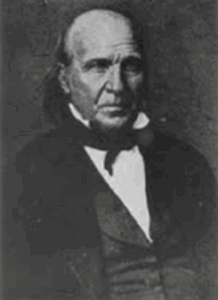
The first “commercial” winery was established in Los Angeles by an immigrant from Bordeaux, Jean-Louis Vignes. Most of the European immigrant population lived in southern CA.
Not happy with the quality of the “Mission” grape, he imported vines from France. By 1851 he had 40,000 vines under cultivation and was producing 1,000 US barrels per year.
Major wine production starts to shifts to northern California largely due to the increase in population following the Gold Rush which also brought an increased demand for wine.
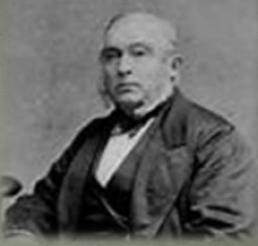
Around 1857, Hungarian born Haraszthy began importing cuttings from prominent European vineyards to California. He first planted his “purple gold” in SF and then in San Mateo County, before moving his operations to an 800 acre site in Sonoma.
Unlike Vallejo and most other growers, and after being impressed by a dry-farmed vineyard on the site, he planted his vines on the slopes without irrigation (as they still do in the Chianti Classico region of Italy).
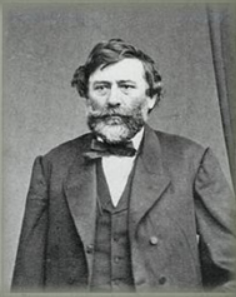
Always trying new ideas, Haraszthy dug extensive caves for cellaring the wines from his Buena Vista Winery, promoted hillside planting, and even suggested the use of redwood for casks when oak supplies ran low.
Claims that he was the original importer of Zinfandel into the State proved to be false. He did though proclaim himself “The Count of Buena Vista“.
1869 Haraszthy dies in an alligator-infested river in the jungles of Nicaragua.
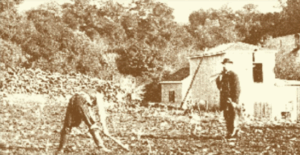
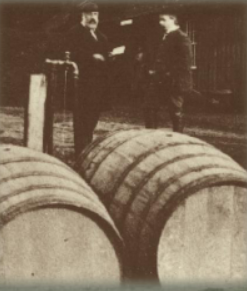
Charles Rhine (Poland) planted a 30 acre vineyard just south of Clayton. known as Mitchell Canyon Vineyard.
Dominic Murchio (Italy) settled in Clayton in 1878, planted vines and opened a winery. The property is still owned by the Murchio family today.
Charles Kohler (Germany) a distiller, violinist and bottle maker by trade, planted 80 acres in grapes around 1878 just southwest of Clayton on Marsh Creek Road. He also had vineyards in southern CA.
Philip Morshed, a miner by trade, planted vineyards on the adjoining property to Kohler.
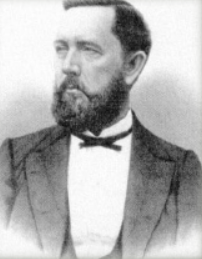
Joel Clayton planted 28 acres with a variety of grapes, near the junction of Mitchell and Mount Diablo Creeks (now North Gate Road). He also built a small winery to distill sherry and brandy. His vineyards thrived in this soil, producing good wines which commanded high prices, so many other settlers followed suit.
The winery’s production ranked 2nd in the county, at 200,000 gallons, surpassed only by Martinelli’s Mt. Diablo Winery
When Joel Clayton died in 1872, his heirs sold the vineyard and sherry house, which encompassed 43 acres, to Paul De Martini.
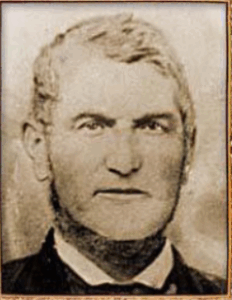
De Martini expanded the vineyards and started building a large stone winery south of the Sherry House. The winery was on Clayton road (across from Mt. Diablo Elementary School).
With completion of the winery in 1885, he was able to expand wine production from not only his 20 acres, but also 150-200 tons that he purchased from neighboring vineyards.
De Martini made twice-a-week wine wagon runs into east Contra Costa County’s coal mining regions. The De Martini winery produced prize-winning wines, winning first place for port and sherry at the St. Louis Exposition in 1904. The winery’s production ranked second in the county, at 200,000 gallons.
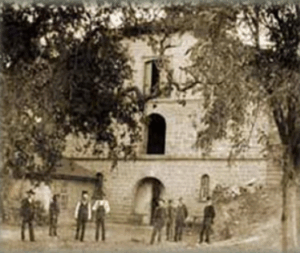
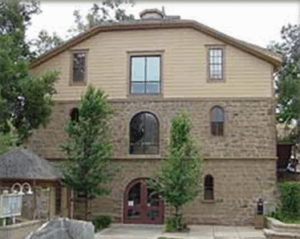
De Martini Winery restored, now the Clayton City Hall and Police Station (2000)
After acquiring vineyards in 1882Jacob Levi, a grocer and wholesaler by trade, along with Otto H. Greenwald organized the Mt. Diablo Vineyard Co.
Total area: 100 Acres of Mission, Zinfandel, Chasselas and Riesling.
Moses Samuel and sons increased the acreage with property to the north, Galt and Sacramento.
1911:All holdings in County Costa County were sold to the Italian Swiss Colony, which operated until Prohibition, and started up again in Asti following.
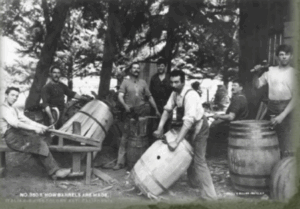
1880’s and 1890’s Concord had many small vineyards, mostly planted in Zinfandel. The rich, level land which surrounded the town of Concord however was better known for walnuts and almonds.
Peter Crenna (Italy) in 1897 built the Concord Winery south of town, just east of Galindo Street and San Miguel Road. He had 60 acres of vines and also made the wine for some of the other growers in the area.

The Southern Pacific train and Walnut Creek station, circa 1892, was built on land donated by Antonio Botelho. The train provided the biggest economic boom for the expanding businesses on Main Street.
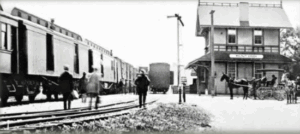
1911: The Grape Carnival is held on Main Street to celebrate the grape harvest, and probably more important, the arrival of electrical service.
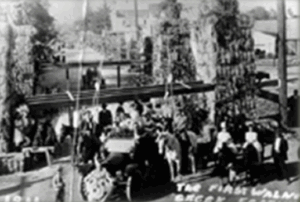
Joseph Napthaly, a native of Prussia, sometime between 1874 and 1884, gained title to a large part of the El Sobrante
Grant that included the land above the winding Tice Valley Road. He had repeatedly planted grain, but cheaper product from Oregon convinced him to plant vineyard and orchards.
Napthaly planted Zinfandel, Chasselas, and Riesling grapes on the west side of Walnut Creek in the area that is known as Rossmoor.
The winery, (now Del Valle School) operated until Prohibition. Only rows of olive trees are left to indicate the former vineyard boundaries.
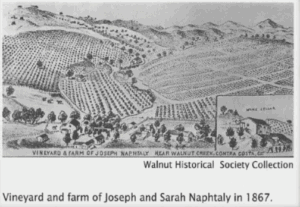
Caption: “The Naphtaly Vineyard”
“In 1867 about 150 acres were laid out with choice foreign varieties of grapes. Gently sloping hills with a southern exposure were ideal. According to Manager Pietro Grena, “wine produced here commands the best prices in the market”
Workers excavated many tons of rock to provide cool storage during hot weather. Nearby a distillery produced grape brandy from the vineyards and farm of Joseph Naphtaly.”
Don Ignacio Martinez: Served in Spain’s colonial army in Alta California, and was stationed at the San Diego presidio.
In 1836, following his military career he moved his family to Rancho el Pinole, a grant of land, 17,000 acres, in Contra Costa County which had been awarded to him for service (now) to the Mexican government. Thought to be one of the first vineyards in Contra Costs County. He produced both table and wine grapes. The property was known as El Pinole.
Martinez died in 1848.

John Gambs (Frankfurt, Germany) planted Zinfandel and Chasselas. Operated his vineyard until 1900.
William Hook (Virginia, USA). His property was the west side of Hwy 21 at Hookson Road and the Southern Pacific Station. The property passed to Vincent Hook in 1890. He plants 50 acres of Mission, Malvoisie and Chasselas grapes. The property is now Oak Place Blvd in Pleasant Hill.
Frank Louks, viticulturist, son of a 49er erected a winery in 1889with an annual output of about 25,000 gallons.
In 1904, the California Wine Association erected a large (wooden) Martinez Winery. Closed at Prohibition.
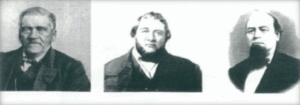
1879: This is where the Christian Brothers entered the California Wine Industry. The vineyard, just south of the Martinez courthouse, had grown to 35 acres by 1890.
In 1931 the Christian Brothers Winery moved to the property of Theodore Geir (German-born Oakland liquor dealer), due to the increasing urbanization of Martinez. The property was west of Napa in the Mayacamas hills and became the Christian Brothers‘ Mont La Salle Winery, today’s Hess Collection Winery.
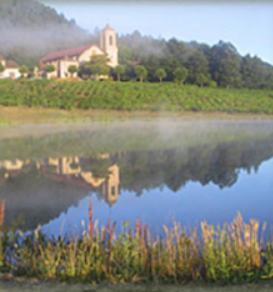
Father in Law of John Muir, concentrated on growing imported varieties of vines from Europe, but phylloxera wiped them out and he turned to a hardier domestic grape stock. Eventually Strentzel grew the first Muscat grapes in California as well as Tokays, Catawabas, and Malagas.
Strentzel also invented several planting practices that became standard, such as planting table grapes in the valley floor and wine grapes on the hilly slopes.
By 1880 the variety of grapes grown by Muir and Strentzel included: Isabelle, Tokay, Muscat of Alexandria, Rose Peru, Malaga and Zinfandel.

In 1879 he married the only daughter of Dr. John Strentzel, a wealthy fruit-grower of Contra Costa County. When not out on an exploring trip, he kept busy in the management of the large vineyard and orchard. About 2/3 of his vines were allocated to table grapes.
1882 -1888: Considered his “lost years” by his critics as no articles or books were written by him at this time. John was trying to settle into farming and family.
1890: Following Strentzel’s death, John Muir and Louise moved to the 2ndfloor of the 10,000 sf house overlooking the Alhambra Valley.
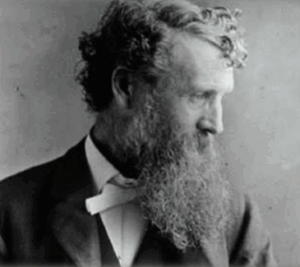
As new vines were planted, Louise insisted on precise and even rows “to last 100 years”.
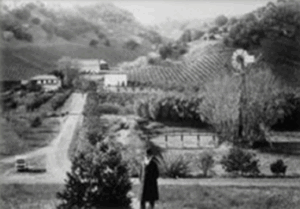
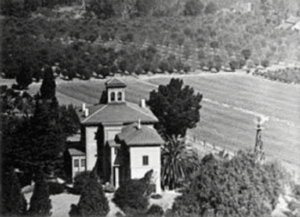
John Muir “For ten years I was engaged in fruit-raising in the Alhambra Valley, near Martinez, clearing land, planting vineyards and orchards, and selling the fruit, until I had more money than I thought I would ever need for my family or for all expenses of travel and study, however far or however long continued. But this farm work never seriously interrupted my studies”.
It did however seriously affect his health.
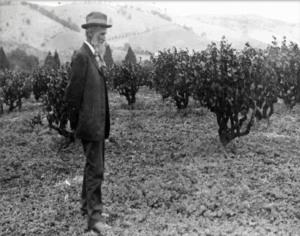
Hill Girt was a 171-acre ranch, “discovered” by John Muir and John Swett. Swett (New Hampshire) a high school teacher in San Francisco, bought the property as a summer home, but it eventually became the family’s permanent residence. Along with 70 acres of wine grapes, including Cabernet, the ranch grew many fruit and nut crops. In 1898 he replanted new resistant rootstock following the Phylloxera outbreak.

In 1885 Bradford and Gertrude Upham began four years of camping on a friends ranch in Alhambra Valley. After researching the soil, climate and geology of the valley, they purchased 400 acres of the “best land in the Alhambra Valley.” In 1889, with the help of his father-in-law, Bradford began to plant grapes and start up a winery. Fairly small production, but award winning wines.

1858: R. Barber had 4,000 vines along Alhambra Creek in Alhambra Valley.
1863: John Strentzel had 10,000 vines also along the creek, his white wine winning an award at the State Fair. Strentzel’s daughter Louise, marries John Muir.
1886: Judson Colton (Sacramento) plants a 50 acres vineyard, and in 1908 erects a 2 story winery next to the Southern Pacific tracks. His was the largest independent winery in the Country, at 100,000 gallons.
Charles Merrell, physician (Massachusetts, USA). 1880’s 80 acre vineyard and the Los Lomas Winery on Pacheco Blvd (Vine Hill) of Riesling, Grenache and Chasselas.
Fabian Joost, 1884. 23 acre vineyard and vintage of 20,000 gallons. Operated in Vine Hill Region until Prohibition.
The Trelut brothers: Ernest, Frank and Etienne arrived in Moraga in 1880 and promptly took up squatters’ rights on the 150 acre parcel at the top of Bollinger Canyon Road. They were most likely the first large-scale winemakers in the area.
Today, the vineyard on the property continues the tradition of winemaking (but in much smaller production) with 446 Cabernet Sauvignon, Sangiovese and Cabernet Franc vines which produce about 900 bottles of wine a year and is now referred to as “Eagle Hill”.
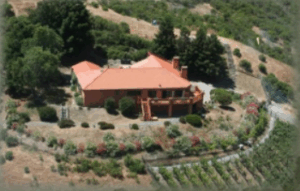
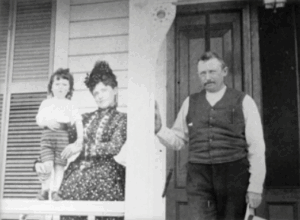
By 1897, Theodore Wagner (Wagner Ranch) was commercially growing grapes in the Orinda area. While some grapes were made into wine locally, most were shipped out of the area, with much of the production sold to immigrant Italians in San Francisco’s North Beach.
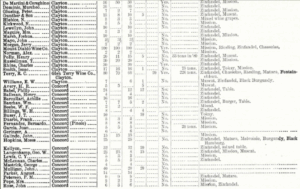
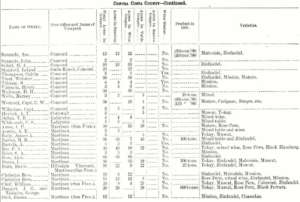
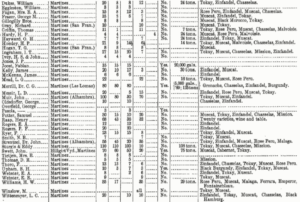
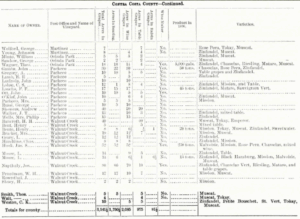
In the formative years of the California wine industry, vineyards were initially planted with these varietals:
The driving issue for successful vineyard location in Contra Costa County was transportation. Without refrigeration, the grapes could not be moved long distances and “over road” transportation was expensive.
The ports of Antioch and Martinez were within practical range for the vineyards of Walnut Creek to Martinez. But the hills of Lafayette, Orinda and Moraga were quite a distance from the Contra Costa commerce hubs on one side, and blocked by the steep Oakland/Berkeley hills on the other.
Transportation was too costly to prove advantageous for the many grape growers. Most of these vineyards were used for family and local consumption.

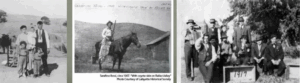
1907: Serafino Rossi grew wine grapes, and other produce, at a site now occupied by Reliez Valley Vineyards in Lafayette.
The family sold their produce in Oakland, but that took a 4 or 5 hour journey up Fish Ranch Road or through the very narrow, recently opened tunnel.
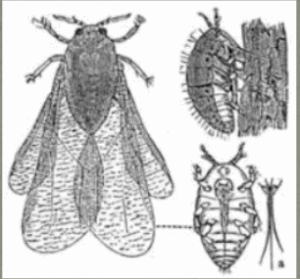
1880: The first disaster for the CA wine industry was Phylloxera, a microbe that feeds on and destroys the vines’ roots. The infestation struck the Valley about the same time it was ruining French vineyards. All growers who could afford to replanted their vineyards by grafting Muscat, Tokay and other European stocks onto native American Phylloxera-resistant vines. No one realized until this point that European vines, not American vines, were the ones susceptible to this microbe.
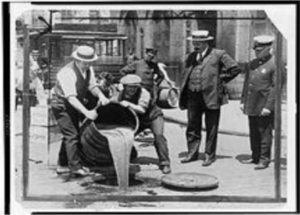
1920: The second disaster for the wine industry was the Prohibition Act which forced most wineries to close. 33 States had gone “dry” by the start of World War 1.

Otherwise law abiding citizens soon became bootleggers and home wine makers.
But most growers replaced quality wine varietals with table variety grapes which transported well, but gave California an abundance of poor wine grapes until 1971.
Before 1920, there were more than 2,500 commercial wineries in the United States. Less than 100 survived as winemaking operations to 1933. By 1960, that number had grown to only 271. California had 713 bonded wineries before Prohibition; it took more than half a century, until 1986, before that many were again operating.
After Prohibition ended, wine production grew steadily, from 200,000 gallons a year in 1937 to more than 40 million gallons in 1986.

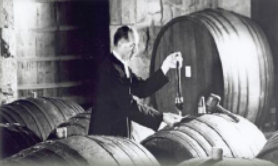
Following Prohibition, Brother Timothy Diener, became the winemaker for Christian Brothers, making sacramental wine. He attended St. Mary’s College in Moraga but before finishing his education, he got side tracked by a winemaking assignment that then became a career that lasted for more than half a century.
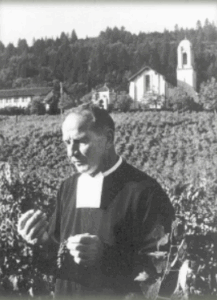
Many famous Napa/Sonoma wineries began as a result of his ideas.
One rumor states that Hacienda de las Flores in Moraga was, for many years, the headquarters of Christian Brothers.
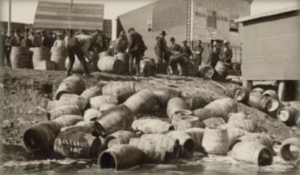
Prohibition led to the closure of 95 percent of all wineries in the United States, including most Contra Costa wineries. Some wine grape growers survived by putting their fruit on trains to Canada and the East Coast to be used for home winemaking, which remained legal and became one of America’s favorite pastimes.
Christian Brothers continued to make sacramental wines through Prohibition, producing more than 80,000 barrels in 1925, but their winery in Martinez burned in 1937.
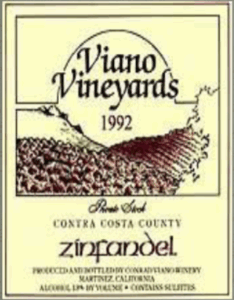
After Prohibition was repealed, wineries began to open again in Contra Costa County, including: Digardi Winery, Viano Vineyards and the J. Gonsalves Winery. Viano Vineyards has been making wine at their family winery ever since.
Cline Cellars has a 100-year old-vineyard of Mourvedre near Oakley that represents much of California’s supply of this varietal that was once widely grown in Contra Costa.
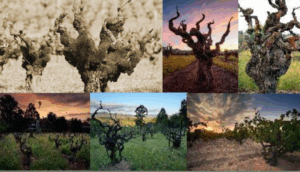


Conceived by Joao Magalhaes and David Parker




The specific purpose of the Lamorinda Winegrowers Association is to provide on-going education and support for its members in the areas of vineyard maintenance, management and winemaking;
Also to: Foster communication and the exchange of information among its members;
Encourage sustainable practices, resulting in the production of high quality grapes and wine in an environmentally-friendly and socially responsible fashion;
Promote the Lamorinda community and its status as a winegrowing region, enhancing the marketability of Lamorinda-grown grapes and Lamorinda-made wine; and cultivate a strong relationship with the local community.
An American Viticultural Area is a designated wine grape-growing region in the United States distinguishable by geographic features, with boundaries defined by the Alcohol and Tobacco Tax and Trade Bureau (TTB), United States Department of the Treasury.
AVA’s range in size from the Upper Mississippi Valley AVA at 29,900 square miles across four states, to the Cole Ranch AVA in Mendocino County, CA, at only 62 acres. The Augusta AVA near the town of Augusta, Missouri, was the first recognized AVA, in 1980.
Unlike most European wine appellations of origin, an AVA specifies only a geographical location from which at least 85% of the grapes used to make a wine must have been grown.
The first benefit is to the grape grower. An AVA defines the characteristics of an area. The grower within the AVA will have more of a story to tell. The AVA allows the grower to define his or her story and tie it to his property.
The second benefit is for the winery that uses grapes from the AVA. With the winery, the message or story is increased and the winery can use it to distinguish itself from other wineries.
The consumer gets the third benefit: people like to know where the wine comes from not only from a safety and sustainability aspect, but also about the unique characteristics that define the grapes grown in a particular AVA.
Finally, wine and grapes are about location, they speak of the soil from which they grew.
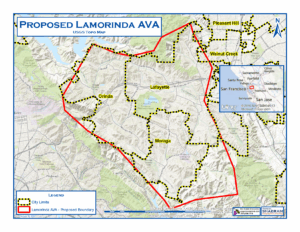
A petition was prepared and filed with the TTB to establish a New AVA to be named “Lamorinda”.
“Viticulture” is the science, production and study of grapes.
The area described (Lamorinda) includes nearly 139 acres (at application date) of planted vines and planned plantings. The following Unique Characteristics of the area were cited:

VILLA CALACOLA
Planted 2004
Pinot Noir, Syrah, Merlot
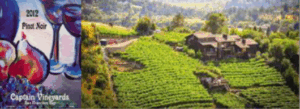
CAPTAIN VINEYARDS
Planted 2005
Petit Verdot, Pinot Noir, Cabernet, Petit Sirah
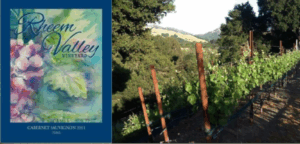
RHEEM VALLEY
Planted 2007
Cabernet Sauvignon
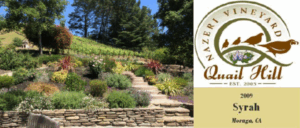
QUAIL HILL
Planted 2005
Pinot, Merlot, Syrah

BULLFROG CREEK WINERY
Planted 2011
Viognier, Sauvignon Blanc, Pinot Noir
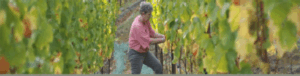

MILLER FAMILY VINEYARD
Planted 2007
Sangiovese
VINCENZA RANCH
Planted 2006
Petite Sirah

PETIT JARDIN
Planted 2010
Cabernet Sauvignon
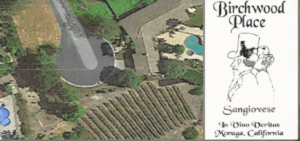
BIRCHWOOD PLACE
Planted 2000
Sangiovese, Merlot, Chardonnay
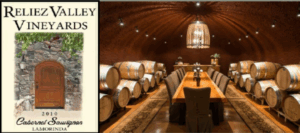
RELIEZ VALLEY VINEYARD
Planted 2006
Cabernet Sauvignon
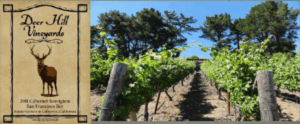
DEER HILL VINEYARD
Planted 1998
Cabernet
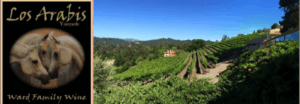
LOS ARABIS VINEYARDS
Planted 1999
Pinot Noir

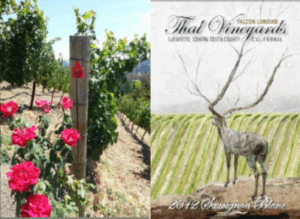
THAL VINEYARDS
Planted 2011
Cabernet, Sauvignon Blanc, Merlot
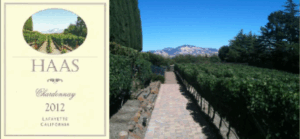
HAAS VINEYARD
Planted 2007
Chardonnay, Cabernet

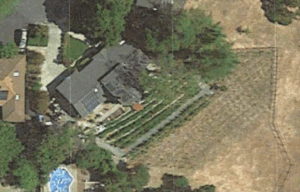
RAISIN D’ETRE VINEYARDS
Planted 2011
Cabernet
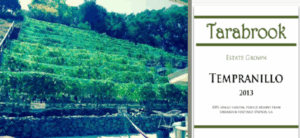
TARABROOK VINEYARDS
Planted 2012
Tempranillo
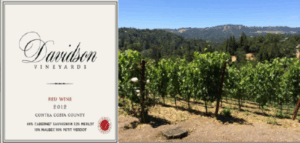
DAVIDSON VINEYARDS
Planted 2010
Merlot, Cabernet

MEADOW VIEW WINERY
Isabelle’s Vineyard: This, our flagship vineyard, produces Cabernet Sauvignon, Cabernet Franc and Sangiovese just outside Moraga
Mary Leigh’s Vineyard: produces Chardonnay, Sangiovese and Syrah. Located in Moraga.
Mimi’s Vineyard: located on a slope in the Sleepy Hollow section of Orinda. This cool vineyard produces Syrah with great color and character

SCREECHING OWL VINEYARDS
Planted 2007
Syrah
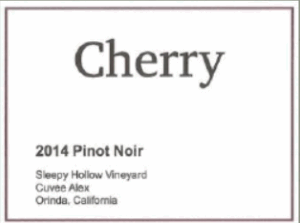
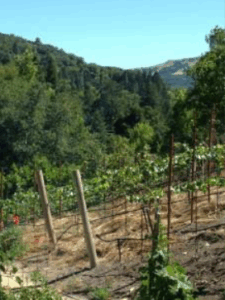
CHERRY VINEYARD
Planted 2011
Pinot Noir
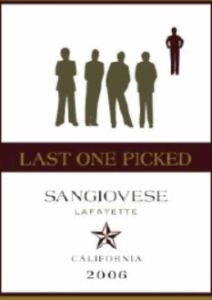

LAST ONE PICKED
Planted 2005
Syrah and Mourvedre
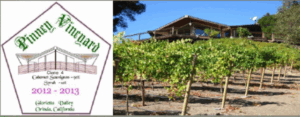
PINNEY VINEYARD
Planted 2010
Cabernet and Syrah